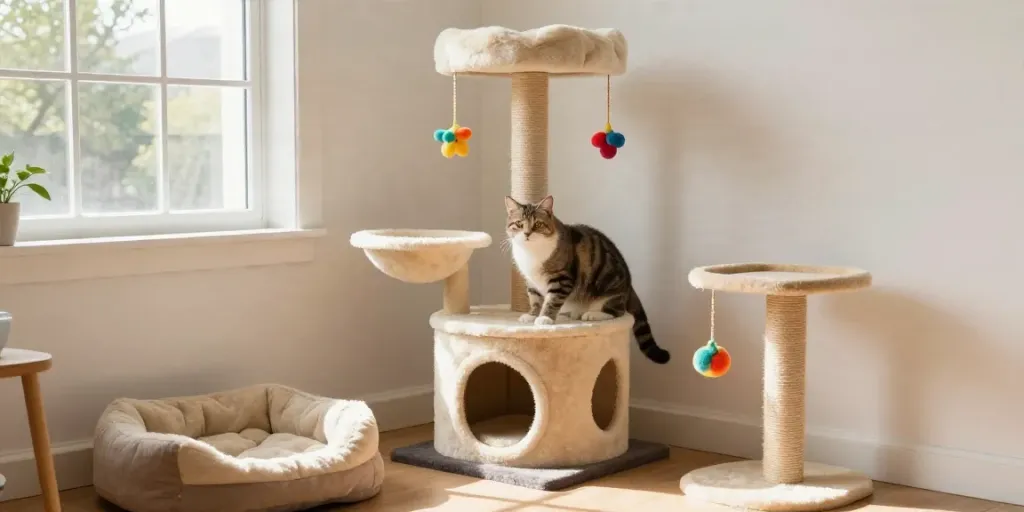
Understanding the Benefits of Cat Towers
Providing a safe and stimulating environment for your feline friend is essential for their happiness and well-being. One of the most effective ways to achieve this is through the use of a cat tower. These multi-level structures not only offer a cozy space for your cat to lounge but also promote healthy play and exercise. This article explores the myriad advantages of integrating a cat tower into your home.
Why Every Cat Needs a Cat Tower?
First and foremost, cats are natural climbers and explorers. A cat tower caters to these instincts by providing vertical space that encourages climbing, jumping, and lounging—all essential aspects for maintaining a cat’s physical health. Additionally, these structures can minimize destructive behaviors that arise from boredom. When given an appropriate outlet to express their natural instincts, cats tend to be more satisfied and less prone to mischief.
Improving Your Cat's Mental and Physical Health
Mental stimulation is crucial for a cat’s well-being. Cat towers can greatly enhance a cat's environment by offering different levels and surfaces to explore. Such variation encourages active engagement, which helps in maintaining a healthy weight and decreases the likelihood of obesity-related illnesses. Furthermore, interactive features like scratching posts and hanging toys stimulate their curiosity and provide entertainment.
How Cat Towers Relate to Natural Behaviors
Understanding natural feline behaviors helps in designing the ideal home environment. Cats often seek high vantage points to survey their surroundings; this instinct is rooted in their hunting behavior. A well-placed cat tower gives them a safe space to observe and feel secure while indulging in their innate desire to climb and perch. This satisfies their natural instincts, leading to happier and healthier pets.
Choosing the Right Cat Tower for Your Home
With an abundance of choices available today, selecting the right cat tower can be overwhelming. Several key factors need consideration to ensure you find the perfect fit for your feline companion.
Factors to Consider Before Purchase
- Space Availability: Measure your living space to determine where the tower will fit best. Towers come in varying heights and widths, so ensure you have enough room for the model you select.
- Cat Size: Consider your cat's size and activity level. Larger cats may require sturdier structures, while smaller cats may prefer different designs altogether.
- Material Durability: Look for cat towers made from high-quality materials that can withstand regular use; solid wood constructions are often more durable than particle board.
Top Features to Look for in a Cat Tower
When shopping for a cat tower, it’s important to look for specific features that enhance the usability and safety of the structure. Here are some of the top features to consider:
- Scratch Posts: Integrated scratch posts encourage healthy scratching behavior while protecting your furniture.
- Multiple Levels: Towers with various levels prevent boredom by offering different surfaces to explore.
- Sturdy Base: Ensure the cat tower has a solid base to prevent tipping, especially with active cats.
Space Requirements for Different Types of Cat Towers
Understanding the various types of cat towers will help you select one that perfectly fits your home. Here are a few common types:
- Small Cat Trees: Ideal for apartments or homes with limited space. These designs typically feature one or two levels.
- Tall Cat Trees: Perfect for larger homes, providing a multi-level structure that maximizes climbing opportunities.
- Modular Cat Towers: Adjustable structures that allow customization based on your cat’s preferences and living space.
Maintenance and Care for Your Cat Tower
Maintaining a cat tower ensures its longevity and cleanliness while providing a safe and enjoyable space for your pet.
Cleaning Tips to Extend Lifespan
Regular cleaning is essential to prevent odors and keep your cat’s environment hygienic. Here are some tips:
- Vacuum loose fur and debris regularly.
- Wipe down any surfaces with a cat-safe cleaning solution.
- Replace any damaged components or replace coverings when necessary.
Inspecting for Wear and Tear
Routine inspections can help catch any wear and tear before it becomes a safety hazard. Check for:
- Loose screws or hardware
- Worn-out scratching posts
- Stability of the structure as a whole
Tips for Keeping Your Cat Tower Engaging
To keep your cat interested in their tower, consider rotating toys or introducing new elements on occasion. These can include:
- New climbing features
- Dangling toys or feather attachments
- Different textures for scratching or resting
DIY Cat Tower Ideas for Crafty Owners
If you enjoy crafting, designing your own cat tower can be a rewarding project that perfectly meets your cat's needs.
Materials Needed for Homemade Cat Towers
Begin with high-quality materials that ensure durability and safety. The following items are essential:
- Wood or plywood for the structure
- Carpet or fabric for covering
- Sisal rope for scratching posts
Step-by-Step Guide to Build Your Own Tower
- Plan your design based on your space and your cat's preferences.
- Cut the wood to your desired dimensions.
- Assemble the structure securely, ensuring stability.
- Cover surfaces with carpet or fabric for comfort.
- Add scratching posts and toys to complete the tower.
Design Ideas Tailored to Cat Preferences
Personalizing your cat tower can enhance its appeal. Consider incorporating:
- Hiding spots or cubed areas for privacy
- Slanted surfaces for climbing practice
- Unique shapes and heights for visual interest
Trends and Innovations in Cat Towers for 2026
As we advance into 2026, several exciting trends in cat tower design are emerging, catering to modern cat owners and their pets.
Eco-Friendly Options for Sustainable Living
Sustainable materials and construction methods are gaining popularity. Eco-friendly cat towers made from recycled materials appeal to environmentally-conscious consumers while providing safe and durable options for pets.
Smart Cat Towers with Integrated Technology
Integrating technology into cat furniture is on the rise. Some modern towers feature sensor-driven toys, interactive play options, and even built-in cameras for monitoring your cat's activity remotely.
Future Designs: What to Expect in New Features
As designers innovate, we can expect even more versatility and aesthetics in cat towers. Features may include:
- Expandable structures that adjust based on space
- Customizable designs that allow owners to rearrange components
- Integrated lounging areas that mimic natural environments
What is the best height for a cat tower?
The ideal height for a cat tower varies based on your cat's climbing habits and your living space. Generally, towers between 5 to 7 feet are suitable for most cats, allowing them to exercise effectively.
How can I encourage my cat to use the tower?
To encourage your cat to engage with their tower, place it near their favorite resting spots or areas where they feel secure. Introducing toys or treats on different levels can also entice them to explore.
Are there cat towers suitable for large cats?
Yes, there are specially designed towers for larger cats that feature reinforced frames and wider platforms to accommodate their size and weight without compromising stability.
What materials are best for a cat tower?
Look for materials such as solid wood or high-quality plywood, complemented by carpet or sisal for scratching. Durable fabrics can help maintain aesthetic appeal while being easy to clean.
How often should I replace my cat's tower?
Typically, a cat tower should last several years with proper care. However, if you notice significant wear or instability, it's time to look for a replacement to ensure your cat’s safety.