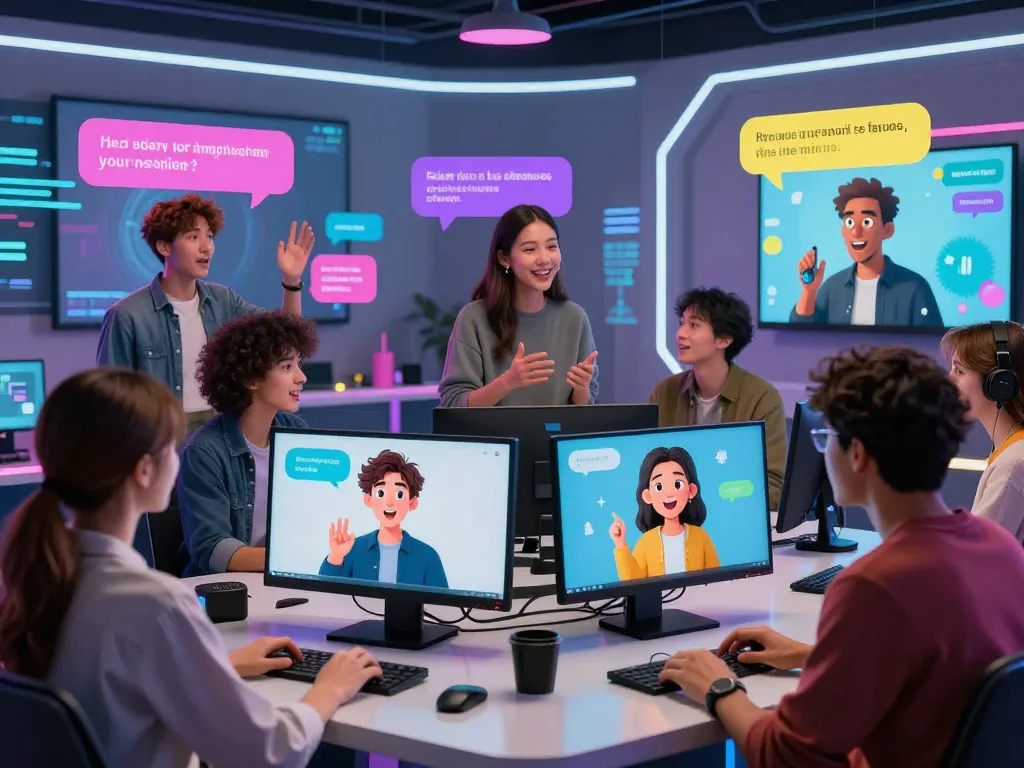
Understanding Sex AI: An Overview
As technology advances, the intersection of sex and artificial intelligence, commonly referred to as sex ai, is becoming increasingly significant in contemporary relationships. This development invites discussions about human intimacy, emotional connection, and the ethical implications of using AI in personal and sexual contexts. This article provides an in-depth examination of sex AI, exploring its potential to reshape relationships, the benefits and risks it presents, and the ethical considerations that must be addressed.
What is Sex AI?
Sex AI encompasses technologies that utilize artificial intelligence to facilitate discussions, relationships, and experiences related to sex and intimacy. This can include AI-driven chatbots designed for sexual health education, virtual companions for emotional support, or platforms enabling sexual exploration in safe environments. As AI systems become more sophisticated, they can simulate human-like interactions, providing users with personalized experiences that can enhance their understanding of sexuality and intimacy.
How Sex AI is Reshaping Relationships
The impact of sex AI on relationships is profound, as it allows individuals to navigate their sexual identities and desires in new, innovative ways. AI chatbots, for instance, can act as virtual confidants, enabling users to discuss intimate topics without fear of judgment. This can lead to improved communication between partners, fostering a deeper understanding of each other's needs and preferences.
Moreover, sex AI can bridge gaps in sexual education, particularly for younger audiences who may feel hesitant to approach sensitive topics. By providing a safe space to explore questions and concerns, AI can empower individuals to make informed decisions about their sexual health and relationships.
Potential Benefits and Risks of Sex AI
While the advantages of sex AI are notable, there are also significant risks to consider. Some potential benefits include:
- Accessibility: AI-driven platforms can provide information and support that may be challenging to find elsewhere.
- Personalization: Users can receive tailored advice based on their unique needs and preferences.
- Emotional Support: AI companions can help users manage feelings of loneliness and anxiety related to intimacy.
Conversely, there are risks associated with sex AI, including:
- Privacy Concerns: The collection and storage of sensitive data can lead to breaches of privacy.
- Miscommunication: AI lacks the nuanced understanding of human emotions, which can lead to misinterpretations in sensitive discussions.
- Dependence: Overreliance on AI for emotional or sexual fulfillment can hinder real-life connections and intimacy.
Ethical Considerations in the Use of Sex AI
As the use of sex AI gains traction, various ethical considerations arise that must be addressed to protect users and maintain integrity in this evolving field.
Privacy Concerns: Protecting User Data
The intimate nature of discussions surrounding sex necessitates robust privacy protections. Users must be assured that their data—particularly any personal, sensitive, or sexual information—is handled securely. Organizations deploying sex AI technologies need to comply with data protection regulations and implement best practices to safeguard user privacy.
The Role of Consent in AI Interactions
Consent is a cornerstone of healthy sexual relationships, and this principle must extend to interactions with AI systems. Users should have clear guidelines regarding what data is collected, how it is used, and the implications of their participation. Ensuring users can opt in or out of data sharing without repercussions is essential for maintaining ethical standards in sex AI.
Addressing Misuse: Safeguarding Against Exploitation
Unfortunately, the potential for misuse of AI technologies, such as the creation of inappropriate or harmful content, is a critical concern. Safeguards must be implemented to prevent exploitation, including strict content moderation practices and clear policies against illicit use. Collaboration between technology developers, policymakers, and advocacy groups will be crucial in developing these safeguards.
Exploring Applications of Sex AI in Modern Relationships
The practical applications of sex AI are diverse and multifaceted, offering capabilities that can enrich intimate relationships and educational contexts.
AI Chatbots as Relationship Advisors
AI chatbots can serve as relationship advisors, providing insights and guidance on navigating complex emotional landscapes. By analyzing user interactions, these systems can offer personalized advice tailored to each user's situation. This service can be invaluable for couples looking to enhance their communication or address specific challenges within their relationship.
Enhancing Intimacy Through Virtual Reality
Virtual reality (VR) technology, combined with AI, is redefining the ways individuals can explore intimacy. VR platforms offer immersive experiences where users can engage with virtual partners, practice communication skills, or explore fantasies in a safe environment. This technology has the potential to deepen emotional connections, offering innovative avenues for intimacy and exploration.
AI for Educational Purposes in Sexual Health
AI has significant potential in sexual health education, providing information that is often lacking in traditional curricula. AI-powered platforms can address a wide array of topics, from anatomy and reproduction to consent and sexual orientation. By catering to various age groups and cultural backgrounds, sex AI can help dismantle stigmas and promote open discussions about sexual health.
Challenges and Limitations of Sex AI
Despite the potential benefits of sex AI, several challenges and limitations must be recognized as this technology evolves.
Understanding Emotional Responses
AI systems currently struggle with accurately interpreting and responding to complex human emotions. While they can simulate empathy to some extent, they lack the genuine emotional intelligence that human beings possess. This limitation can result in misunderstandings or responses that feel inauthentic, which may hinder the development of relationships based on trust and emotional connection.
Dealing with Misinformation
As users seek information about sexual health and relationships, the potential for misinformation can be problematic. AI systems trained on biased or incorrect data may inadvertently propagate falsehoods, leading to harmful beliefs or behaviors. Ensuring the integrity of training data and continuously monitoring outputs for accuracy will be crucial in addressing this challenge.
Technical Limitations of Current AI Models
While advancements in AI have been significant, current models still face technical limitations that can impede their effectiveness in the realm of sex AI. Issues such as biases in algorithms, lack of adaptability to individual user needs, and challenges in generating contextually appropriate responses all present obstacles that must be overcome.
Future Trends and Predictions for Sex AI in 2025 and Beyond
The landscape of sex AI is rapidly evolving, and several trends are poised to shape its future in the coming years.
Technological Advancements on the Horizon
As AI technology continues to advance, we can expect more sophisticated models capable of better understanding human emotions and behaviors. Innovations in natural language processing, machine learning, and affective computing may enhance the ability of AI systems to engage in meaningful and empathetic interactions.
Changing User Expectations and Behaviors
As societal norms surrounding sex and technology shift, user expectations will evolve accordingly. There will likely be an increased demand for transparency in AI interactions, with users seeking more control over their data and interactions. This change will necessitate that developers adapt their offerings to align with user preferences and ethical considerations.
The Evolving Landscape of AI and Human Connectivity
As sex AI becomes more integrated into daily life, the nature of human connectivity will continue to transform. While AI can offer companionship and support, it also poses questions about the authenticity of these connections. The challenge lies in balancing the benefits of AI companionship with the importance of human relationships, ensuring that technology serves as a tool for enhancing, rather than replacing, genuine human interaction.